
Cookie Preferences

By clicking, you agree to store cookies on your device to enhance navigation, analyze usage, and support marketing. More Info
Thank you! Your submission has been received!
Oops! Something went wrong while submitting the form.



The Background:
Previous research has suggested that people with ADHD have higher rates of death than those without the condition. Until now, many of those studies lacked the detail needed to untangle why this might be the case. A recent meta-analysis of eight separate studies reported that ADHD roughly doubled the risk of death, and it hinted that factors like socioeconomic status and other mental illnesses might help explain the link.
The Study:
To explore this in more detail, researchers used the US National Health Interview Survey, a nationally representative prospective cohort of just over 52,000 adults. Survey records were linked with the National Death Index, and participants were followed from the date of interview until death or December 31, 2019, whichever came first. The main outcome was death from any cause. With a median follow-up of just under eight years, there were 6,024 deaths recorded.
When the team adjusted their analysis for age, sex, ethnicity, and the year of the survey, having ADHD was associated with a 58% higher risk of death. Controlling further for family income and educational level reduced that increased risk slightly, to 50%.
Controlling for health conditions (like high blood pressure, diabetes, stroke, heart disease, and cancer) and lifestyle factors (smoking, alcohol use, physical activity, and body weight) also reduced the association to about 46%.
By contrast, when the researchers adjusted for two psychiatric conditions (anxiety and depression) commonly found alongside ADHD, the link between ADHD and higher mortality disappeared statistically. In other words, once anxiety and depression were taken into account, ADHD itself was no longer associated with a clearly measurable increase in the risk of death.
What Does This Mean?
The authors conclude that the apparent effect of ADHD on mortality seems to operate largely through accompanying mental illness, and to a lesser extent through lifestyle and physical health problems. They suggest that treating and managing these co-occurring issues (through medications, therapy, and behavioral interventions) might help reduce the risk of premature death in people with ADHD, although they note that further evidence is needed.

A team of Spanish researchers has published a systematic review of 16 studies with a total of 728 participants exploring the effects of physical exercise on children and adolescents with ADHD. Fourteen studies were judged to be of high quality, and two of medium quality.
Seven studies looked at the acute effects of exercise on eight to twelve-year-old youths with ADHD. Acute means that the effects were measured immediately after periods of exercise lasting up to 30 minutes. Five studies used treadmills and two used stationary bicycles, for periods of five to 30 minutes. Three studies "showed a significant increase in the speed of reaction and precision of response after an intervention of 20-30 min, but at moderate intensity (50-75%)." Another study, however, found no improvement in mathematical problem-solving after 25 minutes using a stationary bicycle at low (40-50%) or moderate intensity (65-75%). The three others found improvements in executive functioning, planning, and organization in children after 20- to 30-minute exercise sessions.
Nine studies examined longer-term effects, following regular exercise over many weeks. One reported that twenty consecutive weekly yoga sessions improved attention. Another found that moderate to vigorous physical activity (MVPA) led to improved behavior beginning in the third week, and improved motor, emotional and attentional control, by the end of five weeks. A third study reported that eight weeks of starting the school day with 30 minutes of physical activity led to improvement in Connor's ADHD scores, oppositional scores, and response inhibition. Another study found that twelve weeks of aerobic activity led to declines in bad mood and inattention. Yet another reported that thrice-weekly 45-minute sessions of MVPA over ten weeks improved not only muscle strength and motor skills, but also attention, response inhibition, and information processing.
Two seventy-minute table tennis per week over twelve weeks improved executive functioning and planning, in addition to locomotor and object control skills.
Two studies found a significant increase in brain activity. One involved two hour-long sessions of rowing per week for eight weeks, the other three 90-minute land-based sessions per week for six weeks. Both studies measured higher activation of the right frontal and right temporal lobes in children, and lower theta/alpha ratios in male adolescents.
All 16 studies found positive effects on cognition. Five of the nine longer-term studies found positive effects on behavior. No study found any negative effects. The authors of the review concluded that physical activity "improves executive functions, increases attention, contributes to greater planning capacity and processing speed and working memory, improves the behavior of students with ADHD in the learning context, and consequently improves academic performance." Although the data are limited by a lack of appropriate controls, they suggest that, in addition to the well-known positive effects of physical activity, one may expect to see improvements in ADHD symptoms and associated features, especially for periods of sustained exercise.
.png)
An international team of researchers recently published a meta-analysis of randomized controlled trials examining the efficacy of meditation-based therapies. Thirteen randomized controlled clinical trials(RCTs) were included: seven, with 270 participants, focused on children and adolescents; the other six, with 339 participants, were on adults. Because only one of the RCTs was appropriately blinded, the results discussed below, although promising, must be considered preliminary.
Among children and adolescents, the meta-analysis revealed a significant, medium effect size (SMD = -0.44, 95% CI -0.69 to -0.19)on ADHD symptoms for meditation therapy versus no treatment. There were virtually no heterogeneity among studies and no sign of publication bias. Improvements in inattention and hyperactivity/impulsivity had similar effect sizes. Neuropsychological measures of inhibition and attention indicated small-to-medium effect sizes but failed to achieve statistical significance, perhaps due to the small numbers of trials and participants (159 and 179, respectively).
For adults, the significant effect size on ADHD symptoms was medium-to-large (SMD = -.66, 95% CI -1.21 to -0.11). Once again, there was little sign of publication bias. But in this case, there was great heterogeneity among the studies. Improvements in inattention and hyperactivity/impulsivity were again comparable, although they fell just short of statistical significance for the latter. Neuropsychological measures of the efficacy of medication therapy produced statistically significant medium effect sizes for inhibition (SMD = -0.54) and working memory (SMD = - 0.42), with virtually no heterogeneity or sign of publication bias.
Although these results are promising, the authors of the meta-analysis concluded, "Despite statistically significant effects on ADHD combined core symptoms, due to paucity of RCTs, heterogeneity across studies, and lack of studies at low risk of bias, there is insufficient methodologically sound evidence to support meditation-based therapies for ADHD."

Few studies have examined the safety and tolerability of ADHD medications (stimulants and atomoxetine) extending beyond six months, and none beyond a few years. A pair of Swedish neuroscientists at Uppsala University Hospital set out to explore longer-term outcomes. They conducted a six-year prospective study of 112 adults diagnosed with ADHD who were being treated with ADHD medications (primarily MPH, but also dexamphetamine and atomoxetine).
They found that at the end of that period, roughly half were still on medication, and half had discontinued treatment. There were no significant differences between the two groups in age, sex, ADHD severity, or comorbidity. The average ADHD score for the entire cohort declined to vary significantly, from a mean of 37 to a mean of 26, with less than one in a thousand odds of that being due to chance. There was also no sign of drug tolerance or a need to increase the dosage over time.
All 55 adults who discontinued treatment had taken MPH for at least part of the time. Eleven had also been treated with dexamphetamine(DEX) and 15 with atomoxetine (ATX). The average time on treatment was just under two years. Almost a third quit MPH because they perceived no beneficial effect. Since they were on average taking higher doses at discontinuation than initiation, that is unlikely to have been due to suboptimal dosage. Almost another third was discontinued for various adverse mental effects, including hyperactivity, elation, depressive moods, aggression, insomnia, fatigue, and lethargy. Another one in eleven quit when they lost contact with the prescribing physician. In the case of ATX, almost half quit because of what they perceived as adverse mental effects.
Among the 57 adults who remained on medication, four out of five reported a strong beneficial effect. Only two reported minimal or no effect. Compared with the group that discontinued, the group that remained on medication was far more likely to agree with the statements, "My quality of life has improved," and "My level of functioning has improved." Yet, as the authors caution, it is possible "that the subjects' subjective ratings contained a placebo-related mechanism in those who are compliant with the medication and pursue treatment over time." The authors reported that there were no significant differences in ADHD scores or ADHD severity between the group that quit and the group that remained on medication, even though, on average, the group that quit had been off medication for four years at follow-up.
We cannot explain why the patients who quit treatment showed similar levels of ADHD symptoms to those who continued treatment. It is possible that some patients remit symptoms over time and do not require sustained treatment. But we must keep in mind that there was a wide range of outcomes in both groups. Future work needs to find predictors of those who will do well after treatment withdrawal and those who do not.
Any decision on whether to maintain a course of medication should always weigh expected gains against adverse side effects. Short of hard evidence of continuing efficacy beyond two years, adverse events gain in relative importance. With that in mind, it is worth noting that this study reports that among those who remained on MPH, many reported side effects. More than a quarter complained of decreased appetite, one in four of dry mouth, one in five of anxiousness and increased heart rate, one in six of decreased sexual desire, one in nine of depressed mood, and one in eleven of insomnia.
This study breaks important ground in looking at the long-term effects of medication. It reaffirms findings elsewhere of the efficacy of ADHD medications. But contrary to the authors' conclusion, the data they present suggests the possibility that permanently medicating ADHD patients may not be more efficacious than discontinuation beyond a certain point, especially when balanced against adverse side effects.
But this is just one study with a relatively small sample size. This suggests a need for additional studies with larger sample sizes to pursue these questions with greater statistical reliability.
Our genes are very important for the development of mental disorders-including ADHD, where genetic factors capture up to 75% of the risk. Until now, the search for these genes had yet to deliver clear results. In the 1990s, many of us were searching for genes that increased the risk for ADHD because we know from twin studies that ADHD had a robust genetic component. Because I realized that solving this problem required many DNA samples from people with and without ADHD, I created the ADHD Molecular Genetics Network, funded by the US NIMH. We later joined forces with the Psychiatric Genomics Consortium (PTC) and the Danish psych group, which had access to many samples.
The result is a study of over 20,000 people with ADHD and 35,000 who do not suffer from it - finding twelve locations (loci) where people with a particular genetic variant have an increased risk of ADHD compared to those who do not have the variant. The results of the study have just been published in the scientific journal Nature Genetics, https://www.nature.com/articles/s41588-018-0269-7.
These genetic discoveries provide new insights into the biology behind developing ADHD. For example, some genes have significance for how brain cells communicate with each other, while others are important for cognitive functions such as language and learning.
Our study used the genome-wide association study (GWAS)methodology because it allowed us to discover genetic loci anywhere on the genome. The method assays DNA variants throughout the genome and determines which variants are more common among ADHDvs. control participants. It also allowed for the discovery of loci having very small effects. That feature was essential because prior work suggested that, except for very rare cases, ADHD risk loci would individually have small effects.
The main findings are:
A) we found 12 loci on the genome that we can be certain harbor DNA risk variants for ADHD. None of these loci were traditional candidate genes' for ADHD, i.e., genes involved in regulating neurotransmission systems that are affected by ADHD medications. Instead, these genes seem to be involved in the development of brain circuits.
B) we found a significant polygenic etiology in our data, which means that there must be many loci(perhaps thousands) having variants that increase the risk for ADHD. We will need to collect a much larger sample to find out which specific loci are involved;
We also compared the new results with those from a genetic study of continuous measures of ADHD symptoms in the general population. We found that the same genetic variants that give rise to an ADHD diagnosis also affect inattention and impulsivity in the general population. This supports prior clinical research suggesting that, like hypertension and hypercholesteremia, ADHD is a continuous trait in the population. These genetic data now show that the genetic susceptibility to ADHD is also a quantitative trait comprised of many, perhaps thousands, of DNA variants
The study also examined the genetic overlap with other disorders and traits in analyses that ask the questions: Do genetic risk variants for ADHD increase or decrease the likelihood a person will express other traits and disorders. These analyses found a strong negative genetic correlation between ADHD and education. This tells us that many of the genetic variants which increase the risk for ADHD also make it more likely that a person will perform poorly in educational settings. The study also found a positive correlation between ADHD and obesity, increased BMI, and type-2 diabetes, which is to say that variants that increase the risk of ADHD also increase the risk of overweight and type-2 diabetes in the population. This work has laid the foundation for future work that will clarify how genetic risks combine with environmental risks to cause ADHD. When the pieces of that puzzle come together, researchers will be able to improve the diagnosis and treatment of ADHD.

The CDC recently reported that ADHD medication use in women ages 15 to 44 increased from 0.9 percent to 4 percent from 2003 to 2015. The most commonly used medications were formulations of amphetamine or methylphenidate.
This increase in treatment for ADHD suggests that educational programs such as adhdinadults.com have been effective in teaching clinicians how to identify and treat the disorder. The 4 percent rate reported by the CDC is encouraging because it is close to what Ron Kessler and colleagues reported as the prevalence of adult ADHD in the population. CDC correctly points out that little is known about the effects of ADHD medications on pregnancies. Thus, caution is warranted.
Oei et al.'s review of amphetamines concluded: "There is little evidence of amphetamine-induced neurotoxicity and long-term neurodevelopmental impact, as data is scarce and difficult to extricate from the influence of other factors associated with children living in households where one or more parent uses drugs in terms of poverty and neglect. ... We suggest that exposed children may be at risk of ongoing developmental and behavioral impediment, and recommend that efforts be made to improve early detection of perinatal exposure and to increase the provision of early intervention services for affected children and their families"
Bolea-Alamanac et al.'s review of methylphenidate effects concluded: "There is a paucity of data regarding the use of methylphenidate in pregnancy and further studies are required. Although the default medical position is to interrupt any non-essential pharmacological treatment during pregnancy and lactation, in ADHD this may present a significant risk. Doctors need to evaluate each case carefully before interrupting treatment." These words of caution should be heeded by clinicians caring for women of reproductive age.
A team of U.S. endocrinologists recently published the results of a meta-analysis examining a possible association between bisphenol A(BPA) and childhood ADHD. BPA is used in a variety of consumer products, including plastic bottles for food and drink, epoxy resins used to line cans of food, dental sealants, and the thermal receipts issued by stores.
A review of the literature found 29 rodent studies, but only three with humans. The human studies were too different from each other to be suitable for meta-analysis. One found no association between prenatal exposure and ADHD. A second found prenatal BPA exposure to be associated with teacher-reported hyperactivity in 4-year-old boys, but not girls. The third found is to be associated with hyperactivity scores in 3-year-old girls.
As the authors note, "Often, there is little human data available, particularly in the environmental toxicology/health fields, due to the time and expense of conducting epidemiological studies and the ethical barriers for human-controlled trials that involve human exposure to potentially hazardous chemicals. Thus, it is important to have methods for using animal data to inform human health hazard conclusions; indeed, animal models are traditionally used to study human health."
Twelve of the mice and rat studies, with a total of 709 rodents, were suitable for meta-analysis.
Overall these pointed to a tiny SMD effect size of 0.09, but it was not significant, with the odds of such a result being obtained by chance being almost one in four (p = 0.237). But when results from the 356 males and353 females were looked at separately, a significant sex difference emerged. There was essentially no effect on female rodents, with an effect size of -0.07and a 95% confidence interval of -0.27 to 0.14, widely spanning the zero mark, rendering the result statistically non-significant. Among male rodents, however, there was a small but statistically significant effect size (0.24), with a 95%confidence interval from 0.04 to 0.45. The odds of obtaining this outcome by chance were only one in 50 (p = .02).
This result must be viewed with caution, as rodent physiology often differs substantially from that of humans. The authors, therefore, conclude, "early BPA exposure is associated with a presumed hazard of hyperactivity in humans. Our conclusion is based on 'moderate' levels of evidence for the human and 'high' levels of evidence for animal literature."

Several meta-analyses have assessed this question by computing the Standardized Mean Difference or SMD statistic. The SMD is a measure that allows us to compare different studies. For context, the effect of stimulant medication for treating ADHD is about 0.9. SMDs less than 0.3 are considered low, between 0.3 to 0.6 medium, and anything greater than high.
A 2004 meta-analysis combined the results of fifteen studies with a total of 219 participants and found a small association(SMD = .28, 95% CI .08-.49) between consumption of artificial food colors by children and increased hyperactivity. Excluding the smallest and lowest quality studies further reduced the SMD to .21, and a lower confidence limit of .007 also made it barely statistically significant. Publication bias was indicated by an asymmetric funnel plot. No effort was made to correct the bias.
A 2012 meta-analysis by Nigg et al. combined twenty studies with a total of 794 participants and again found a small effect size (SMD =.18, 95% CI .08-.29). It likewise found evidence of publication bias. Correcting for the bias led to a tiny effect size at the outer margin of statistical significance (SMD = .12, 95% CI .01-.23). Restricting the pool to eleven high-quality studies with 619 participants led to a similarly tiny effect size that fell just outside the 95% confidence interval (SMD = .13, CI =0-.25, p = .053). The authors concluded, "Overall, a mixed conclusion must be drawn. Although the evidence is too weak to justify action recommendations absent a strong precautionary stance, it is too substantial to dismiss."
In 2013 a European ADHD Guidelines Group consisting of 21 researchers (Sonuga-Barke et al.) performed a systematic review and meta-analysis that examined the efficacy of excluding artificial colors from the diets of children and adolescents as a treatment for ADHD. While many interventions showed benefits in unblinded assessments, only artificial food color exclusion and, to a lesser extent, free fatty acid supplementation remained effective under blinded conditions. The findings suggest that eliminating artificial food dyes may meaningfully reduce ADHD symptoms in some children, though it should be noted that the positive results were mostly seen in children with other food sensitivities.
The research to date does suggest a small effect of artificial food colors in aggravating symptoms of hyperactivity in children, and a potential beneficial effect of excluding these substances from the diets of children and adolescents, but the evidence is not very robust. More studies with greater numbers of participants, and better control for the effects of ADHD medications, will be required for a more definitive finding.
In the meantime, given that artificial food colors are not an essential part of the diet, parents could consider excluding them from their children's meals, since doing so is risk-free, and the cost (reading labels) is negligible.
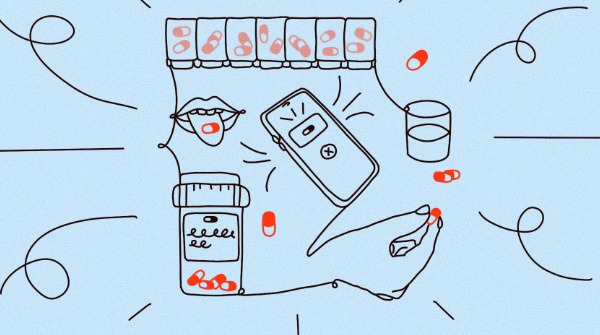
This research study investigates the consistency of medication adherence among adolescents and young adults diagnosed with ADHD. Conducted at Auburn University in Alabama, researchers recruited 54 college students to address this question. All had previously been diagnosed with ADHD. All lived independently, and all were taking prescribed ADHD medication. Students with severe comorbid psychiatric conditions were excluded. Three students dropped out, leaving a final sample size of 51.
The Study:
Each student completed a total of four half-hour assessments, scheduled at monthly intervals. At each first assessment, researchers counted the participant's ADHD medication pills and transferred them to an electronic monitoring bottle-a bottle with a microchip sensor in the cap that automatically tracks the date and time of every opening. This enabled them to compare students' subjective estimates at subsequent assessments with the objective evidence from pill counts and the data output from the electronic monitoring bottles.
The Results:
Overall, students reported missing about one in four (25 percent) of their prescribed doses. But the objective measures showed they were skipping closer to half their doses. According to pill counts, they were missing 40 percent of their doses, and according to the electronic monitoring bottles, 43 percent. The odds of obtaining such a result due to chance with a sample of size were less than one in a hundred (p < 0.01).
In other words, college students with ADHD significantly overestimate their adherence rates to their medications. The authors concluded, "without additional strategies in place, expecting adolescents and young adults with ADHD to remember a daily task that requires no more than a few seconds to accomplish, such as medication taking, is unrealistic. They suggest using smartphone reminder applications ("apps") and text messaging services.
Conclusion:
The authors point out that this study had a small sample size and that interpretations should be considered with caution. Moreover, the study was not randomized. Students responded to advertisements posted on campus, and thus self-selected. Pending the outcome of larger studies with randomization, the authors suggest that wherever possible, prescribing physicians adopt objective measures of medication adherence, as an aid in ensuring greater efficacy of treatment.

Roughly one in thirty adult women have ADHD. Research results indicate that psychostimulants (methylphenidate and amphetamines) offer the most effective course of treatment in most instances. But during pregnancy, such treatment also exposes the fetus to these drugs. Several studies have set out to determine whether such exposure is harmful.
The largest comparison was 5,571 infants exposed to amphetamines and 2,072 exposed to methylphenidate with unexposed infants. It found no increased risks for adverse outcomes due to amphetamine or methylphenidate exposures. Another study studied 3,331 infants exposed to amphetamines, 1,515 exposed to methylphenidate, and 453 to atomoxetine. Comparing these infants to unexposed infants, it found a slightly increased risk of preeclampsia, with an adjusted risk ratio of 1.29 (95% CI 1.11-1.49), but no statistically significant effect for placental abruption, small gestational age, and preterm birth. When assessing the two stimulants, amphetamine, and methylphenidate, together, it found a small increased risk of preterm birth, with an adjusted risk ratio of 1.3 (95% CI 1.10-1.55). There was a statistically significant effect for preeclampsia, placental abruption, or small gestational age. Atomoxetine use was free of any indication of increased risk.
Another study involving 1,591 infants exposed to ADHD medication (mostly methylphenidate) during pregnancy, reported increased risks associated with exposure. The adjusted odds ratio for admission to a neonatal intensive care unit was 1.5 (95% CI 1.3-1.7), and for the central nervous system, disorders were 1.9 (95% CI 1.1-3.1). There was no increased risk for congenital malformations or perinatal death.
Six studies focused on methylphenidate exposure. Two, with a combined total of 402 exposed infants, found no increased risk for malformations. Another, with 208 exposed infants, found a slightly greater risk of cardiovascular malformations, but it was not statistically significant. A fourth, with 186 exposed infants, found no increased risk of malformations but did find a higher rate of miscarriage, with an adjusted hazard ratio of 1.98(95% CI 1.23-3.20). A fifth, with 480 exposed infants, also found a higher rate of miscarriage, with an odds ratio of 2.07 (95% CI 1.51-2.84). But although the sixth, with 382 exposed infants, likewise found an increased risk of miscarriage (adjusted relative risk 1.55 with 95% CI1.03-2.06), it also found an identical risk for women with ADHD who were not on medication during their pregnancies (adjusted relative risk 1.56with 95% CI 1.11-2.20). That finding suggests that all women with ADHD have a higher risk of miscarriage, and that methylphenidate exposure is not the causal factor.
Summing up, while some studies have shown increased adverse effects among infants exposed to maternal ADHD medications, most have not. There are indications that higher rates of miscarriage are associated with maternal ADHD rather than fetal exposure to psychostimulant medications. One study did find a small increased risk of central nervous system disorders and admission to a neonatal intensive care unit. But, again, we do not know whether that was due to exposure to psychostimulant medication or associated with maternal ADHD. If there is a risk, it appears to be a small one.
The question then becomes how to balance that as yet uncertain risk against the disadvantage of discontinuing the effective psychostimulant medication. As the authors of this review conclude. It [ADHD] is associated with significant psychiatric comorbidities for women, including depression, anxiety, substance use disorders, driving safety impairment, and occupational impairment. The gold standard treatment includes behavioral therapy and stimulant medication, namely methylphenidate and amphetamine derivatives. Psychostimulant use during pregnancy continues to increase and has been associated with a small increased relative risk of a range of obstetric concerns. However, the absolute increases in risks are small, and many of the best studies to date are confounded by other medication use and medical comorbidities.
Thus, women with moderate-to-severe ADHD should not necessarily be counseled to suspend their ADHD treatment based on these findings. They advise that when functional impairment from ADHD is moderate to severe, the benefits of stimulant medications may outweigh the small known and unknown risks of medication exposure, and that "If a decision is made to take ADHD medication, women should be informed of the known risks and benefits of the medication use in pregnancy, and take the lowest therapeutic dose possible."

A working group of the International League Against Epilepsy(ILAE), consisting of twenty experts spanning the globe (U.S., U.K., France, Germany, Japan, India, South Africa, Kenya, Brazil), recently published "consensus paper" summarizing and evaluating what is currently known about comorbid epilepsy with ADHD, and best practices.
ADHD is two to five times more prevalent among children with epilepsy. The authors suggest that ADHD is underdiagnosed in children with epilepsy because its symptoms are often attributed either to epilepsy itself or to the effects of antiepileptic drugs (AEDs).
The working group did a systematic search of the English-language research literature. It then reached a consensus on practice recommendations, graded on the strength of the evidence.
Three recommendations were graded A, indicating they are well-established by evidence:
· Children with epilepsy with comorbid intellectual and developmental disabilities are at increased risk of ADHD.
· There is no increased risk of ADHD in boys with epilepsy compared to girls with epilepsy.
· The anticonvulsant valproate can exacerbate attentional issues in children with childhood absence epilepsy (absence seizures look like staring spells during which the child is not aware or responsive). Moreover, a single high-quality population-based study indicates that valproate use during pregnancy is associated with inattentiveness and hyperactivity in offspring.
Four more were graded B, meaning they are probably useful/predictive:
· Poor seizure control is associated with an increased risk of ADHD.
· Data support the ability of the Strengths and difficulties questionnaire (SDQ) to predict ADHD diagnosis in children with epilepsy: "Borderline or abnormal SDQ total scores are highly correlated with the presence of a validated psychiatric diagnosis (93.6%), of which ADHD is the most common (31.7%)." The SDQ can therefore be useful as a screening tool.
· Evidence supports the efficacy of methylphenidate in children with epilepsy and comorbid ADHD.
· Methylphenidate is tolerated in children with epilepsy.
At the C level of being possibly useful, there is limited evidence that supports that atomoxetine is tolerated in children with ADHD and epilepsy and that the combined use of drugs for ADHD and epilepsy (polytherapy) is more likely to be associated with behavioral problems than monotherapy. In the latter instance, "Studies are needed to elucidate whether the polytherapy itself has resulted in the behavioral problems, or the combination of polytherapy and the underlying brain problem reflects difficult-to-control epilepsy, which, in turn, has resulted in the prescription of polytherapy."
All other recommendations were graded U (for Unproven), "Data inadequate or conflicting; treatment, test or predictor unproven." These included three where the evidence is ambiguous or insufficient:
· Evidence is conflicted on the impact of early seizure onset on the development of ADHD in children with epilepsy.
· Tolerability for amphetamine in children with epilepsy is not defined.
· Limited evidence exists for the efficacy of atomoxetine and amphetamines in children with epilepsy and ADHD.
There were also nine U-graded recommendations based solely on expert opinion. Most notable among these:
· Screening of children with epilepsy for ADHD beginning at age 6.
· Reevaluation of attention function after any change in antiepileptic drug.
· Screening should not be done within 48 hours following a seizure.
· ADHD should be distinguished from childhood absence epilepsy based on history and an EEG with hyperventilation.
· Multidisciplinary involvement in transition and adult ADHD clinics is essential as many patients experience challenges with housing, employment, relationships, and psychosocial wellbeing.


_logo%201.svg)
